I. Food safety
We provide consumers with safe products from our factories operated with food safety management systems (e.g. FSSC22000), while conducting regular inspections to check the safety measures undertaken at each factory.
In the processed food business, set out to fill meals with joy and make the dining table a fun, lively place to be. We will stay focused on diversifying world of food and continue to inspire fulfilling moments that enrich life through food.
At TableMark, we employ innovative manufacturing methods for our products including frozen udon noodles, frozen okonomiyaki, and packaged cooked rice, as part of efforts to enhancing flavor even further. In the seasonings business, Fuji Foods Corporation plays a central role in providing a variety of product lines using its unique technology. We will continue to provide consumers with delicious food through safety management as well as technological innovation and product development.


We provide consumers with safe products from our factories operated with food safety management systems (e.g. FSSC22000), while conducting regular inspections to check the safety measures undertaken at each factory.
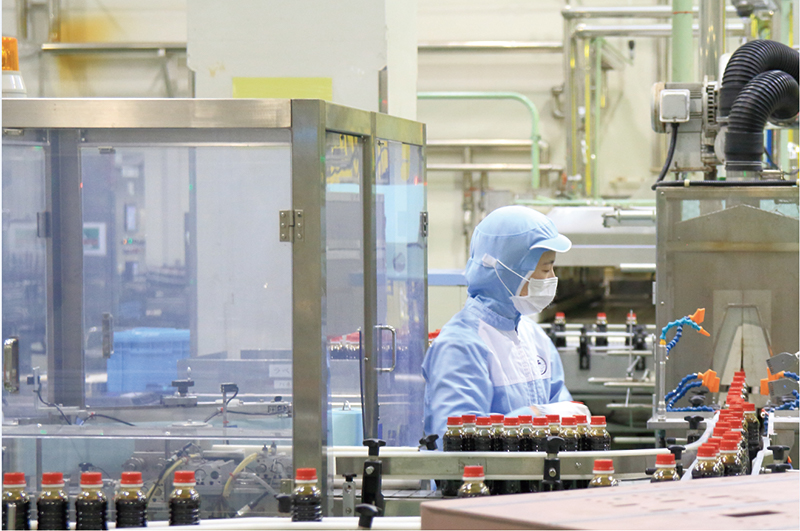
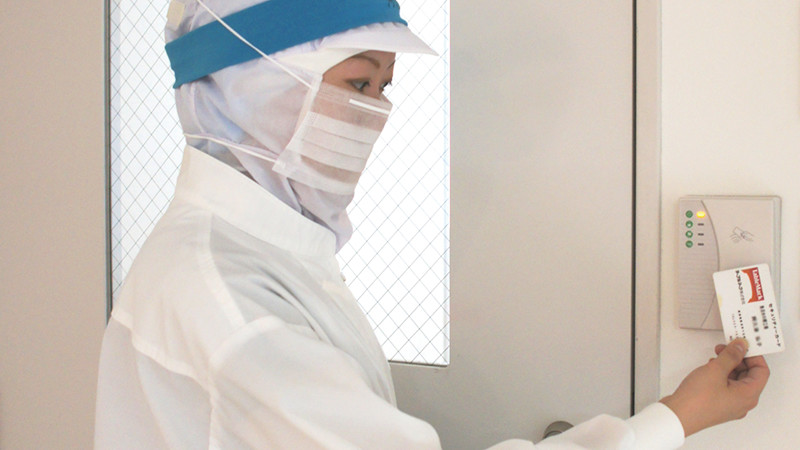
We make efforts to ensure that food defense programs are established at our factories to protect our food products against the risk of intentional or accidental contamination.
These programs set and control risk management items that must be complied with from a management and security perspective.
We make constant efforts to improve product quality and enhance consumers' satisfaction. We do this by looking at the entire food process, from product development to procurement of raw materials and manufacturing, based on inquiries from and opinions of consumers.


While earnestly listening to consumers' requests, we promote communication with consumers by providing traceability and actively disclosing information through factory tours and other programs.